

HDI PCB Manufacturer in USA
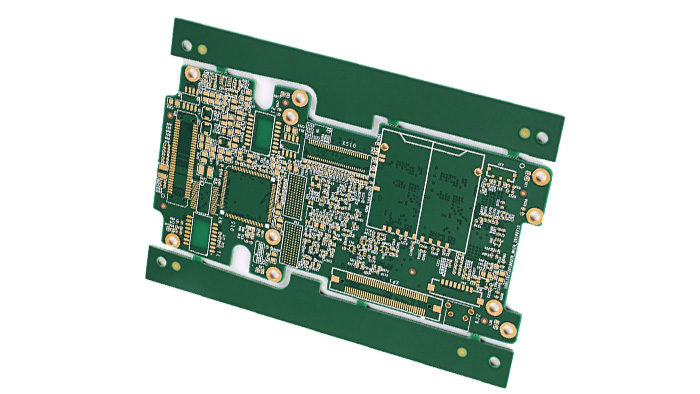
At CircuiTek Solutions, we specialize in producing high-density interconnect printed circuit boards (HDI PCB) designed for compact, lightweight, and high-performance electronic devices. As electronic systems continue to shrink while performance demands increase, HDI PCB technology enables designers to integrate complex functionality into smaller footprints.
HDI PCBs support advanced routing, fine features, and specialized via structures that are not possible with conventional PCB designs.
What Is an HDI PCB?
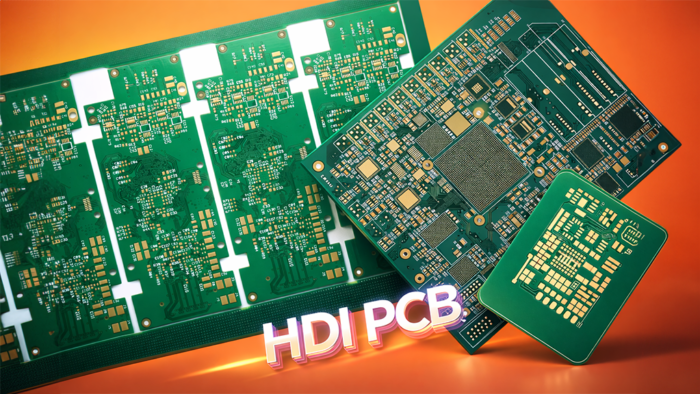
HDI (High-Density Interconnect) PCBs are printed circuit boards engineered with microvias, fine trace widths, tight spacing, and sequential lamination to accommodate high component density. As devices become smaller and more complex, HDI technology enables improved electrical performance without increasing board size.
HDI PCBs typically include:
- Laser-drilled microvias
- Blind and buried vias
- Fine line and spacing geometries
- Sequentially laminated layer structures
These features allow advanced interconnections in compact designs.
Key Features of HDI Printed Circuit Boards
HDI PCB technology introduces capabilities that exceed traditional PCB fabrication limits.
Key features include:
- Multi-layer constructions starting at 4 layers
- Common stackups ranging from 6 to 12 layers or more
- High-precision fine line and spacing technology
- Advanced via structure for dense routing
These features allow designers to maximize functionality while minimizing board size and weight.
Materials Used in HDI PCB Manufacturing
HDI PCBs require materials that support fine features, thermal stability, and mechanical reliability. HDI PCB materials are selected for their high Tg, low CTE, excellent laser drill ability, low dielectric loss, strong copper adhesion, and the ability to support ultra-thin dielectric layers required for micro vias and high-density routing.
Common HDI materials include:
- High-TG FR-4 (170 TG)
- IT-180A and ITEQ IT-180
- Isola 370HR
- Ventec VT-47
- Polyimide materials
- Panasonic (Megtron series)
- Nelco (N7000-2HT)
- Rogers Corporation (4000 series)
Material selection depends on signal integrity, thermal demands, and application environment.
Via Technologies Used in HDI PCBs
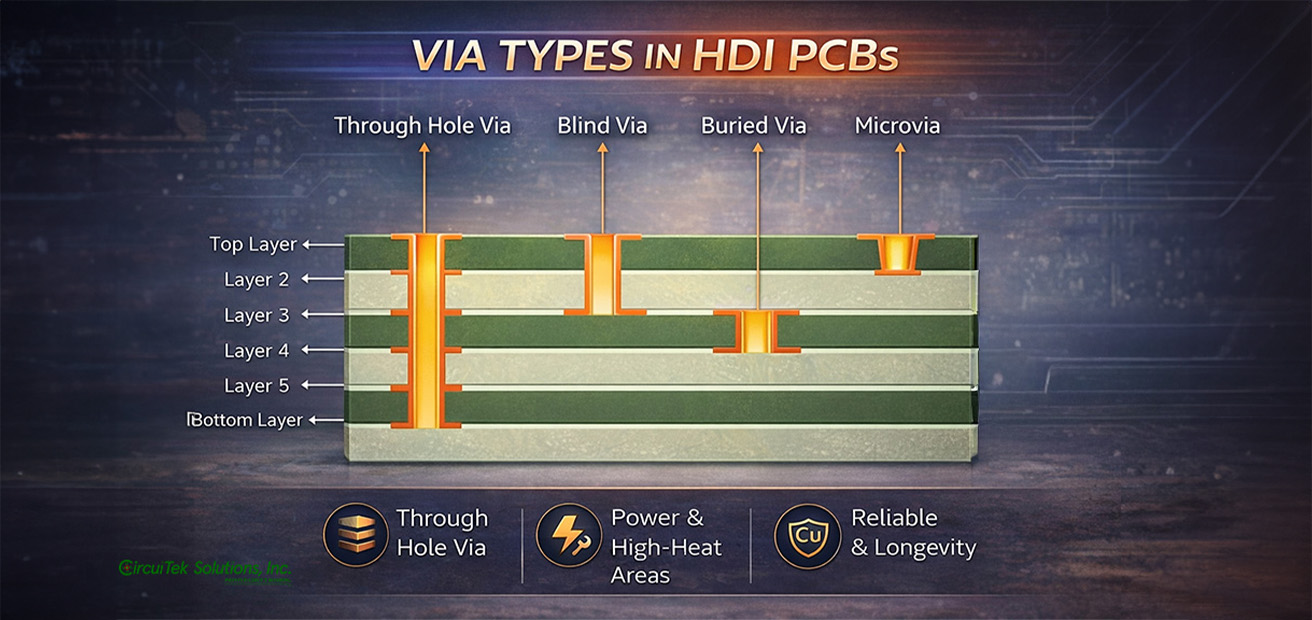
HDI PCB fabrication relies on specialized via structures to support dense interconnections.
Common via types include:
- Microvias (laser-drilled, typically 4 mil or smaller)
- Blind vias connecting outer to inner layers
- Buried vias connecting internal layers only
- Stacked vias aligned vertically across layers
- Staggered vias offset step-by-step for multi-layer connections
- Sequential lamination structures enabling complex interconnects
Sequential lamination allows copper and dielectric layers to be added in stages, enabling highly complex HDI constructions.
Technical Characteristics of HDI PCBs
HDI PCBs are defined by several advanced structural characteristics.
High Wire Density
Dense routing allows more connections within a smaller area, enabling compact and lightweight devices.
Microvia Integration
Laser-drilled microvias reduce signal path length and improve electrical performance.
Fine Traces and Spacing
Trace widths as small as 2 mil with spacing near 3 mil enable increased routing density.
Electrical Performance
Shorter signal paths reduce signal distortion, crosstalk, and delay.
Advantages of Using HDI PCBs
HDI PCB technology delivers measurable performance and manufacturing benefits.
Advantages include:
- Improved electrical performance and reliability
- Smaller board size with higher functionality
- Faster signal transmission with reduced loss
- Reduced material usage compared to multi-board designs
- Efficient component placement on both sides of the board
Cost optimization at scale through design consolidation
Applications of HDI Printed Circuit Boards
HDI PCBs are widely used in industries that demand compact, high-performance electronics.
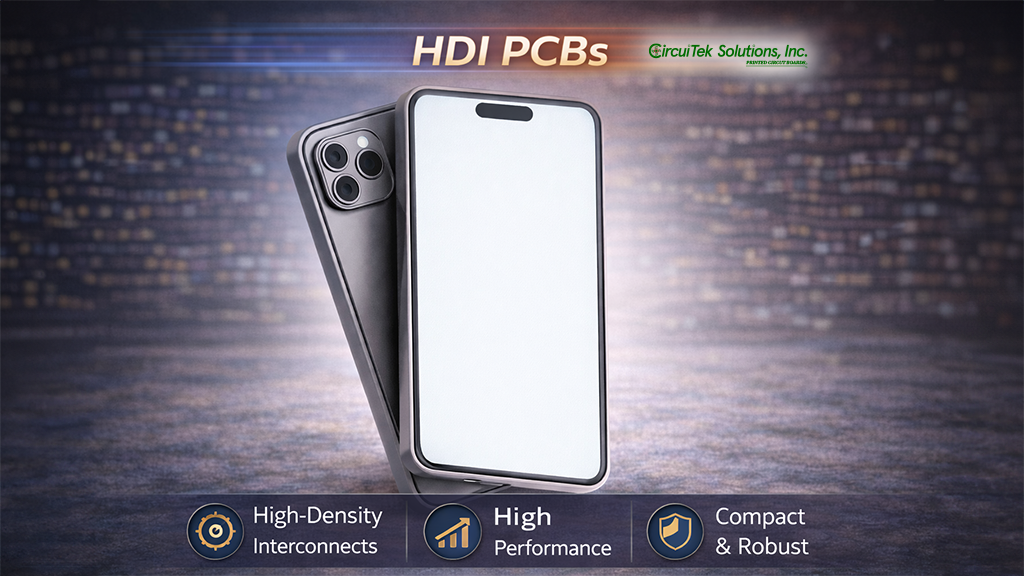
Applications include:
-
Smartphones, tablets
wearables, and AR/VR devices
-
Defense and aerospace
systems
-
Communications and networking
equipment
-
Automotive control units
and infotainment systems
-
Medical devices
and robotic surgical tools
-
High-performance
consumer electronics
Why Choose Circuitek Solutions Inc. for HDI PCB Fabrication?
Circuitek Solutions Inc. is a trusted HDI PCB manufacturer in USA, delivering custom HDI solutions built to exact specifications.
We specialize in:
- Quick-turn prototyping
- Prototype to mid- and high-volume production
- Advanced HDI stackups and via structures
- Precision microvia drilling and lamination
- Domestic and offshore manufacturing options
- Competitive pricing with engineering support
Our manufacturing processes are engineered to meet the demands of modern high-density electronics.
FAQ SECTION
HDI PCBs use microvias, fine traces, and sequential lamination to achieve higher routing density and better electrical performance than conventional PCBs.
HDI technology is recommended when space is limited, component density is high, or signal integrity requirements exceed the capabilities of standard PCBs.
HDI PCBs can have higher fabrication costs due to advanced processes, but they often reduce overall system cost by consolidating multiple boards into one.
Industries such as consumer electronics, automotive, aerospace, defense, medical devices, and telecommunications rely heavily on HDI PCBs for compact, high-performance designs.