

Blog
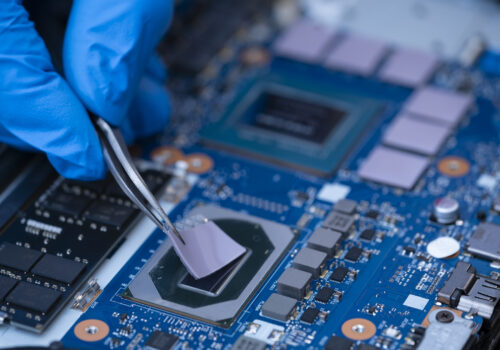
Heat Dissipation Issue? Why Thermal Management Matters from Design to Production
Excess heat is one of the most common — and costly — causes of PCB failure. Whether you’re building industrial controls, telecom hardware, medical devices, or power electronics, poor thermal management can shorten component life, reduce performance, and create intermittent failures that are difficult to diagnose. It’s why heat dissipation issues need to be dealt with.
In high-reliability PCB manufacturing, heat cannot be treated as an afterthought. If a board cannot efficiently move heat away from critical components, long-term reliability suffers. Solving a heat dissipation issue starts early in the design process, long before fabrication begins.
For engineering teams working under tight timelines, addressing thermal performance early helps prevent redesigns, production delays, and expensive field failures.
Why Heat Dissipation Is Critical in PCB Design
Every active electronic component generates heat. Under normal operating conditions, that heat must be transferred away from the component and dispersed across the board or into the surrounding environment.
When heat has nowhere to go, temperatures rise — and so does failure risk.
Common consequences of poor thermal management include:
- Premature component aging
- Reduced electrical efficiency
- Thermal drift and inconsistent performance
- Solder joint fatigue
- Permanent component failure
Even small temperature increases can significantly impact lifespan. In many electronics, every 10°C increase in operating temperature can dramatically reduce component reliability.
This is why thermal design matters so much in high-performance PCB applications.
Common Sources of Heat on a PCB
Not all components generate heat equally. Some areas of a board naturally run hotter than others and require special attention during layout.
Frequent heat-generating components include:
Power Regulators and DC/DC Converters
Power conversion components often dissipate substantial heat, especially under heavy load.
MOSFETs and Switching Devices
High-current switching creates both conduction and switching losses that convert directly into heat.
High-Current Traces
Copper carrying large currents generates resistive heating if trace width or copper weight is insufficient.
Processors and FPGAs
High-speed processors and programmable logic devices can create concentrated thermal hotspots.
LEDs and Power Lighting Systems
Even efficient lighting systems generate heat that must be managed properly to maintain performance.
Identifying thermal hotspots early allows engineers to make smarter layout decisions.
PCB Design Strategies That Improve Thermal Performance
Solving a heat dissipation issue usually requires multiple design strategies working together. Good thermal performance comes from smart layout, material selection, and manufacturing precision.
Copper Weight Selection
Copper thickness plays a major role in heat spreading. Thicker copper lowers electrical resistance and improves thermal conductivity.
Higher copper weights such as 2 oz or 3 oz are often used in power-heavy designs.
Thermal Vias
Thermal vias transfer heat from surface-mounted components into internal or backside copper planes.
These vias create additional heat pathways and are especially useful beneath power components.
Proper via design can significantly improve thermal performance in compact layouts.
Copper Plane Utilization
Large copper areas act as natural heat spreaders.
Power and ground planes help distribute heat more evenly across the PCB, reducing concentrated hotspots around critical components.
This approach improves thermal balance across the board.
Component Placement
Thermal management starts with layout.
Experienced PCB engineers avoid clustering multiple heat-generating components too closely together. Better spacing improves airflow and reduces localized thermal buildup.
Good placement also helps simplify downstream cooling strategies.
Thermal Relief Considerations
Thermal relief patterns affect solderability and heat flow.
Poor thermal relief design can create assembly issues or restrict heat dissipation, especially around large copper pours.
Balancing manufacturability and thermal performance is critical.
Material Selection Matters
Standard FR-4 works well for many designs, but some applications require materials with enhanced thermal performance.
Higher-thermal applications may benefit from:
- High-Tg laminates
- Metal-core PCBs (MCPCB)
- Thermally enhanced dielectric materials
Choosing the right substrate affects both thermal performance and manufacturing consistency.
Material decisions should always align with operating conditions and reliability requirements.
Manufacturing Precision Makes the Difference
Even a well-designed PCB can develop thermal issues if manufacturing variables are inconsistent.
Critical fabrication factors include:
- Copper thickness control
- Lamination consistency
- Layer registration accuracy
- Material verification
Thermal performance depends heavily on repeatable manufacturing processes.
At CircuiTek Solutions, controlled workflows and IPC-aligned quality standards help ensure thermal performance is preserved from prototype through production.
That level of process discipline becomes especially important for quick-turn builds where design margins may already be tight.
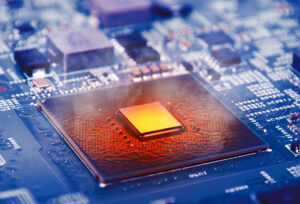
Address Thermal Problems Early
One of the most expensive engineering mistakes is discovering thermal problems after production begins.
Late-stage thermal failures often lead to:
- PCB redesigns
- Delayed production schedules
- Additional testing cycles
- Increased manufacturing costs
The fastest path to production is often identifying thermal risks early.
Engineering collaboration during DFM review can catch these issues before they become costly.
Considerations for Heat Dissipation Issues
A heat dissipation issue rarely fixes itself. As power density increases and board sizes shrink, thermal management becomes a bigger part of PCB reliability.
Strong thermal performance comes from disciplined engineering decisions — component placement, copper strategy, material selection, and manufacturing control all matter.
For organizations building high-reliability electronics, solving thermal challenges early leads to faster production, fewer failures, and better long-term product performance.