

High TG PCB Manufacturer in USA
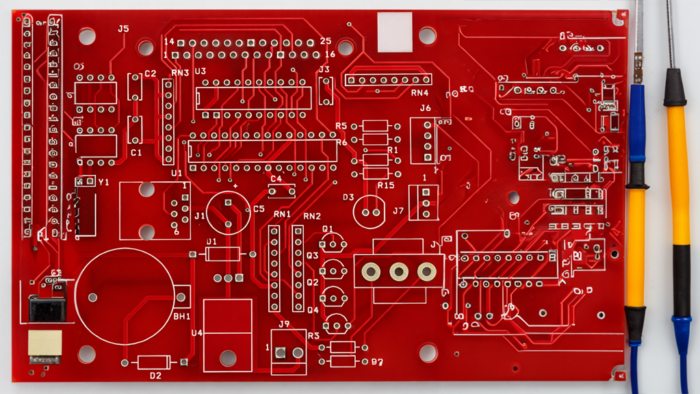
At CircuiTek Solutions, we produce high TG printed circuit boards that can withstand elevated operating temperatures without losing mechanical or electrical integrity. High TG (glass transition temperature) PCBs are essential in modern electronics where power density, thermal cycling, and lead-free soldering place extreme demands on materials.
These boards are widely used in applications where standard FR-4 materials are no longer sufficient.
What Is a High TG PCB?
A High TG PCB is a printed circuit board manufactured using materials with a glass transition temperature typically above 170 °C (312 °F). The glass transition temperature (TG) represents the point at which the PCB substrate transitions from a rigid, glassy state to a softer, rubber-like state.
When electronics operate near or beyond this threshold, conventional PCB materials may warp, delaminate, or experience mechanical stress. High TG materials remain stable at elevated temperatures, making them ideal for high-performance and high-reliability applications.
Key Features of High TG Printed Circuit Boards
High TG PCBs were introduced to meet the growing demand for compact, high-power electronics that generate significant heat.
Key features include:
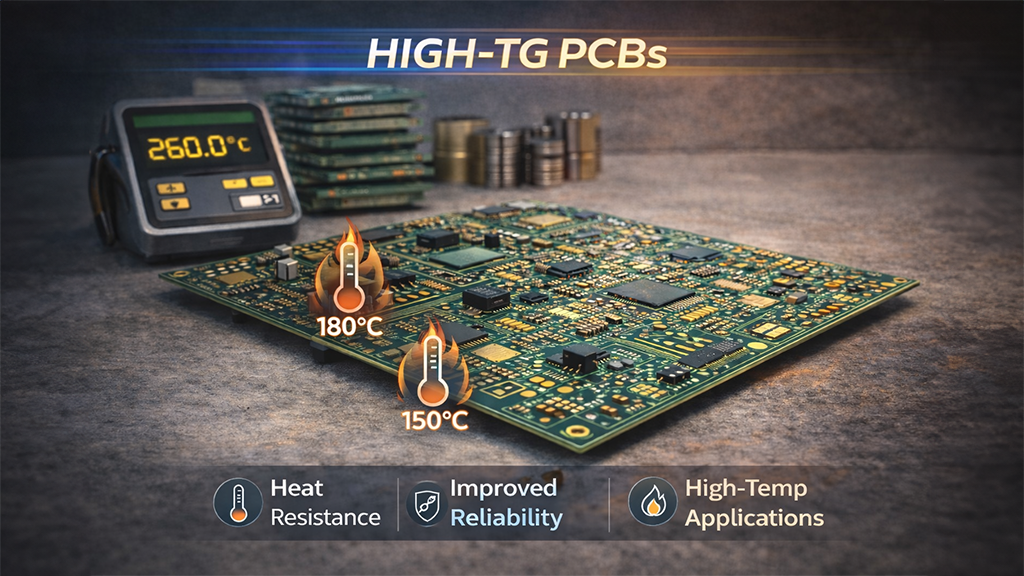
- Operating temperature resistance from 170 °C up to 260 °C
- Compatibility with RoHS and lead-free soldering processes
- Improved resistance to thermal stress and mechanical deformation
- Enhanced material integrity during repeated heat cycles
For designs where thermal loads may overwhelm heat sinks or thermal management systems, High TG PCBs provide an essential layer of protection.
Materials Used in High TG PCB Manufacturing
High TG PCB manufacturing relies on specialized laminates engineered for elevated thermal performance.
Common High TG materials include:
Common High TG materials include:
- High TG FR-4
- Isola 370HR
- Ventec VT-47
- IT-180
- Panasonic R1755V / R1650V
These materials offer:
- Exceptional mechanical strength
- Excellent chemical resistance
- Strong moisture endurance
- Stability in high-temperature environments
A qualified high TG PCB manufacturer in USA selects certified materials based on application requirements, not cost shortcuts.
Technical Characteristics of High TG PCBs
High TG materials differ from standard PCB substrates in several critical ways.
- Thermal & Mechanical Stability – High TG resins maintain rigidity and structural integrity at elevated temperatures, reducing risks such as warping, cracking, or delamination.
- Low Coefficient of Thermal Expansion (CTE) – Many High TG materials feature low Z-axis CTE, minimizing expansion through the board thickness during temperature changes — a key factor in multilayer and high-density designs.
- Plated Through-Hole Reliability – High TG resins help plated through holes (PTHs) maintain integrity during soldering and thermal cycling, especially in dense or fine-pitch designs.
These characteristics make High TG PCBs especially valuable in lead-free assembly processes, where higher soldering temperatures place additional stress on materials.
Applications of High TG Printed Circuit Boards
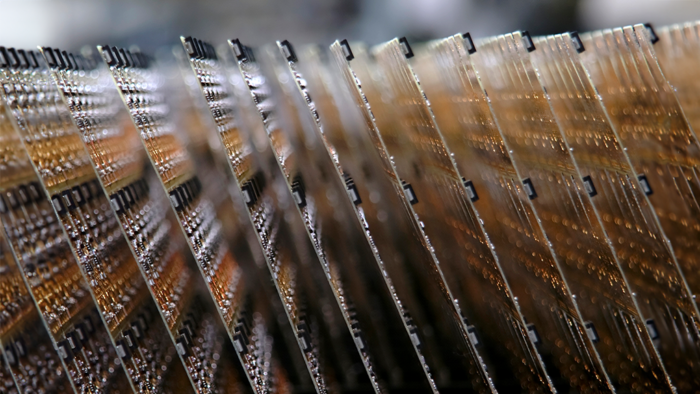
High TG PCBs are used across industries where temperature tolerance and reliability are critical.
Automotive Electronics
Used in ECUs, ADAS systems, onboard computers, dashboards, and sensor assemblies exposed to high heat and vibration.
Oil & Gas
Deployed in downhole drilling electronics, pressure control systems, offshore safety controls, and measurement equipment operating under extreme conditions.
Aerospace & Defense
Essential for avionics, satellites, and military systems requiring stable performance under temperature fluctuations and vibration.
Industrial Electronics
Common in motor drives, power supplies, inverters, automation systems, and robotics.
Medical Devices
Used in diagnostic equipment, blood analyzers, X-ray systems, and MRI scanners requiring consistent high-power operation.
Test & Measurement Equipment
Applied in oscilloscopes, signal analyzers, and precision instruments that demand thermal stability.
Consumer & High-Performance Computing
Used in high-end computing systems and advanced electronics where heat generation is significant.
Advantages of Using High TG PCBs
High TG PCBs offer clear advantages over standard FR-4 substrates in demanding environments:
-
Improved dimensional
stability in high-temperature operation
-
Enhanced reliability
during repeated thermal cycling
-
Reduced risk
of mechanical failure in dense designs
-
Better performance
for lead-free soldering processes
-
Extended product
lifespan in harsh conditions
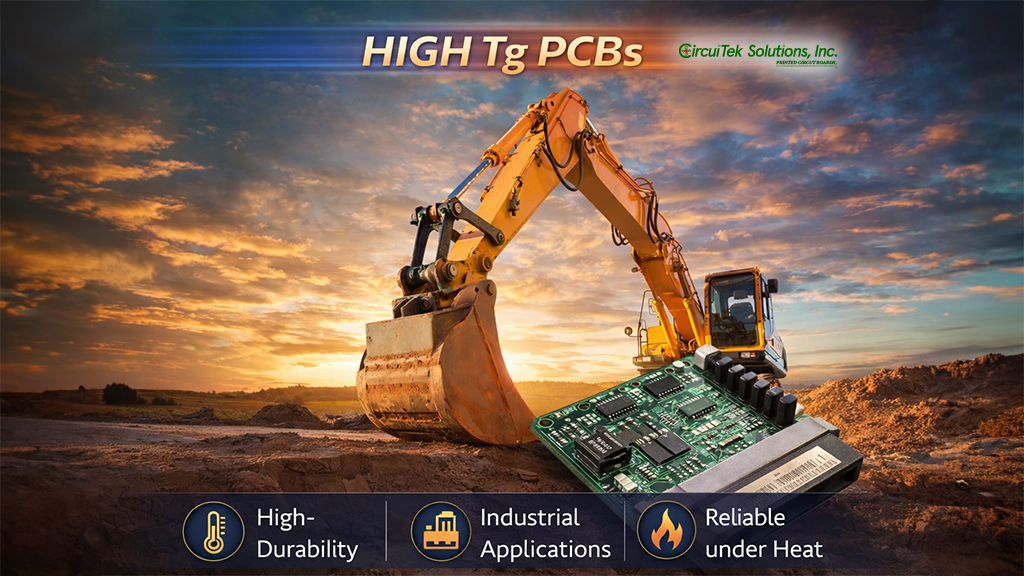
For applications exposed to heat, vibration, or power fluctuations, High TG PCBs deliver consistent performance where conventional materials may fail.
Why Choose Circuitek Solutions Inc. for High TG PCB Manufacturing?
Circuitek Solutions Inc. is a trusted high TG PCB manufacturer in USA, delivering custom solutions for prototype through full-scale production.
We specialize in:
- Quick-turn manufacturing
- Prototype to high-volume production
- 2–40 layer constructions
- Via-in-pad (conductive, non-conductive, copper-plugged)
- Heavy copper designs
- Controlled impedance PCBs
Advanced surface finishes including:
- ENIG
- ENEPIG
- Hard Gold Fingers
- Wire-bondable electrolytic gold
- Immersion Tin
- Immersion Silver
- HASL & LF HASL
Our engineering-driven approach ensures performance, durability, and compliance across demanding operating environments.
EEAT + SEARCH-DRIVEN
High TG refers to a higher glass transition temperature, indicating the PCB material remains rigid and stable at elevated temperatures compared to standard FR-4 materials.
High TG PCBs are recommended when designs involve high power density, repeated thermal cycling, lead-free soldering, or operation in high-temperature environments.
While not always required, High TG materials perform better during lead-free soldering because they tolerate higher reflow temperatures with reduced risk of warping or delamination.
Automotive, aerospace, oil and gas, industrial automation, medical devices, and test equipment benefit most due to their exposure to heat, vibration, and demanding operating conditions.